
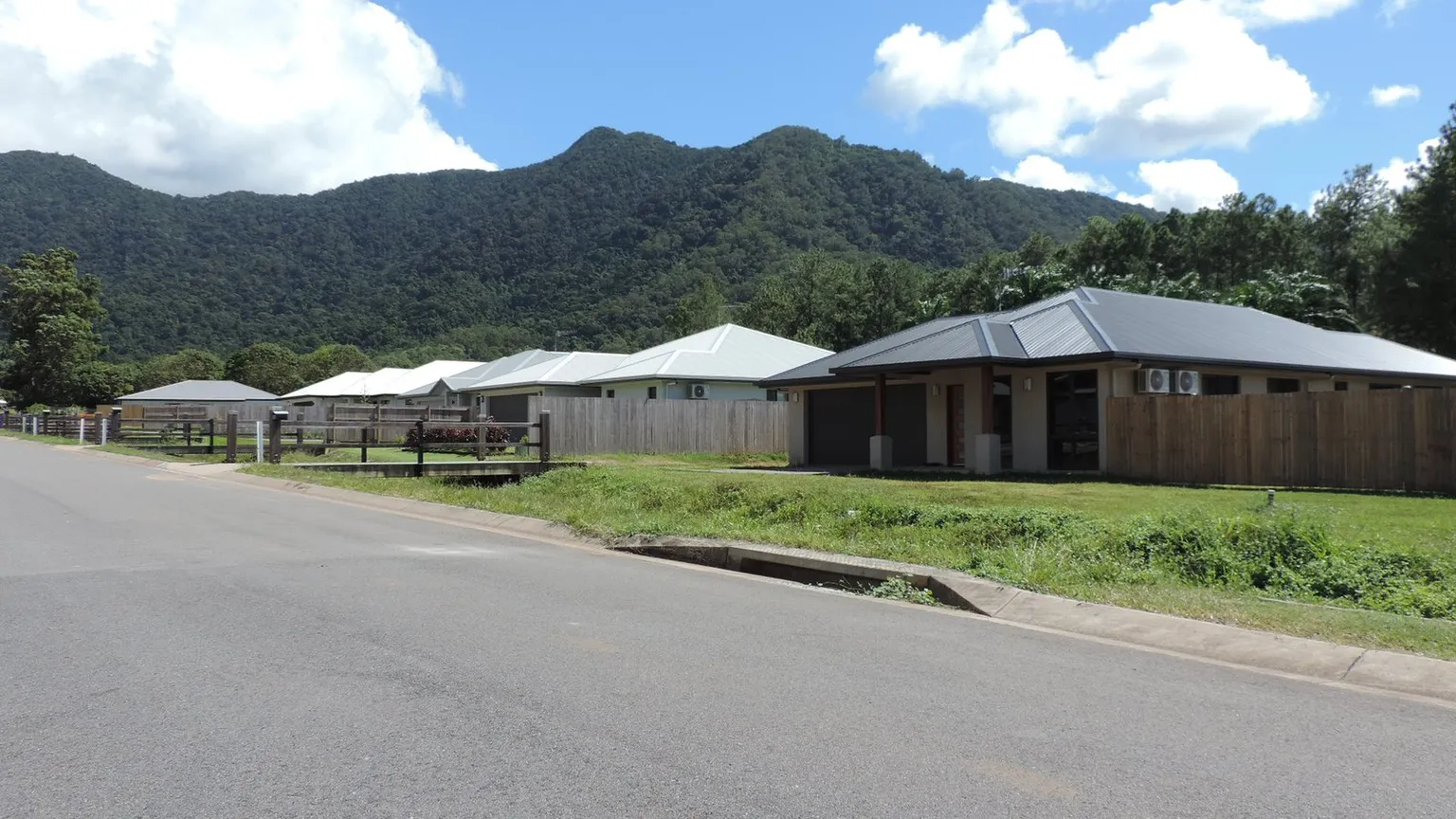
There is a particular moment in a Queensland subdivision where the project looks finished and is not. The civil works are done, the lots are pegged, and the plan of subdivision has been approved. None of that creates a title. Until the plan is sealed by council and then registered with Titles Queensland, no new lot legally exists and nothing can be sold or mortgaged against it.
The deal question: what still stands between you and a registrable title?
Plan sealing is a compliance exercise, not a second planning assessment. Brisbane City Council's plan sealing page describes it as lodging a subdivision plan (survey plan) with council for approval, and states that plan sealing is needed to register a title with Titles Queensland. The application covers reconfiguring a lot or creating new lots, and building format plans that create unit titles within a multiple dwelling, townhouse or industrial development.
That definition matters for a small developer because the same gate applies whether you are creating two Torrens title lots or a scheme of unit titles. The work is the same shape: prove every condition has been satisfied, and clear every account.
The compliance evidence is the real workload
Brisbane City Council's published requirements give a fair picture of the file: the survey plan, Titles Queensland Form 18A, the relevant utility connection certificate, a community management statement where common property creates a community title, and documents demonstrating compliance with all relevant conditions of the development approval — as-constructed plans, required certifications, signed private easement documents, and utility connection agreements entered into and connections completed.
Two features of that list catch people out. The first is the as-constructed information: if levels and services were covered before they were surveyed, that evidence has to be reconstructed rather than simply found in a drawer. The second is that easements and community management statements are legal documents that must be prepared in the correct form, which means a property lawyer, not a template downloaded at the last minute.
The money has to be clear before you apply
City of Gold Coast states that all outstanding property rates, water rates and infrastructure charges must be paid before applying for plan sealing. Infrastructure charges are the big one — they are usually the largest single council cost in a Queensland infill or greenfield project, and they are assessed against the approved development rather than your original budget.
Because the charges sit this late in the process, they are also a common source of margin leakage. If you have not carried a current estimate of infrastructure charges, rates and application fees through the feasibility, the plan sealing stage is where the shortfall appears — with no ability to sell a lot to fund it, because no lot can be sold yet.
The two clocks people miss
Plan sealing applications are assessed within a set period; Gold Coast publishes 20 business days, and issues a Subdivision Acceptance Notice, an Incomplete Request Notice or, where compliance is not achieved, a Compliance Notice that places the application on hold. An incomplete application does not sit patiently waiting — it stops. Sunshine Coast Council says properly made applications will be assessed within 20 business days of lodgement.
The second clock is the registration deadline. Council approval is not open-ended: if the plan is not lodged with Titles Queensland within six months of approval, the approval lapses, and you then re-apply with fresh lodgement fees and up-to-date rates, water and infrastructure charges. Six months sounds generous until a builder's defect list, a utilities connection delay or a settlement in the buyer's chain eats into it.
Early release: useful, but it is a trade, not a discount
Councils can, at their discretion, allow an early release of a plan before every condition is satisfied, typically where the outstanding items are limited private works such as a crossover, landscaping or external finishes. Sunshine Coast Council's published terms are a good illustration of what that costs: a schedule of uncompleted private works bonded at 150% of the value of the uncompleted work, plus details of outstanding certificates at $1,500 per certificate, and a release fee. Unitywater certificates, and reticulated electricity and telecommunication certificates, cannot be bonded — those must be in hand.
Early release protects your programme. It does not remove the obligation, and it does not let you transfer titles until the conditions are met. Price the bond as a real, held cost.
The checks a capable student would run
- Build the condition register early. Map every condition of approval to the specific piece of evidence that will discharge it, and to the person responsible for producing it.
- Confirm who lodges. Brisbane and Gold Coast both expect the qualified surveyor who drew the plan, or a planner familiar with the requirements, to lodge on the owner's behalf.
- Forecast infrastructure charges and rates as a live number. Re-estimate them before you exchange on the site, not when the plan is ready to seal.
- Ask about early release before you need it. Find out the council's bonding formula and which certificates can and cannot be bonded.
- Diarise the six-month registration window. Treat it as a hard deadline with a buffer, and plan the Titles Queensland lodgement before the last month.
The trap: a finished project with an unsealed plan
The classic failure is a project that is physically complete, with a plan that cannot be sealed because one condition is unproven. Usually it is a service connection that has not been certified, or an as-constructed plan that was never captured because the trench was closed. The cost is not a defect to fix; it is delay on the entire exit, because no title means no settlement, and the finance keeps running on a completed but unsaleable asset.
What you do not have to work out alone
You are not expected to prepare the survey plan or discharge the conditions personally. A licensed surveyor prepares and lodges the plan, a town planner assembles the compliance evidence against each condition, a property lawyer prepares the easement and community management documents, and council assesses the application against Schedule 18 of the Planning Regulation 2017. Your job is to know that plan sealing is a stage with its own cost, its own evidence and its own clock — and to fund and diarise it accordingly.
Sources and boundaries
Sources checked 5 October 2026. Jurisdiction and limits: This guide is focused on Queensland and uses the published plan sealing material of Brisbane City Council, City of Gold Coast and Sunshine Coast Council. Each council sets its own process, fees and early-release rules, and the timeframes and bonding figures quoted are those councils' own published positions, not a statewide rule. Registration requirements are set by Titles Queensland and the Land Title Act 1994. Confirm current requirements before relying on them.
- Brisbane City Council — Plan sealing requests. Used for: Records that plan sealing is the process of lodging a subdivision plan with council for approval and is needed to register a title with Titles Queensland, who lodges the request, the document list (survey plan, Titles Queensland Form 18A, utility connection certificate, community management statement where applicable, evidence of compliance with conditions, and confirmation that fees including infrastructure charges and rates are paid), the 20-business-day response, the Notice of Approval and Form 18B, and the 6-month registration deadline under the Land Title Act 1994. (Checked 5 October 2026)
- City of Gold Coast — Plan sealing. Used for: Records that all outstanding property rates, water rates and infrastructure charges must be paid before applying, that the qualified surveyor generally lodges on the owner's behalf, the 20-business-day assessment, the acceptance and incomplete-request notices and the compliance notice that places an application on hold, and that council approval lapses if the plan is not lodged with Titles Queensland within 6 months. (Checked 5 October 2026)
- Sunshine Coast Council — Plan sealing. Used for: Records the early release of building format plans at council's discretion, subject to bonding outstanding work and compliance with conditions before titles transfer, the schedule of uncompleted private works at 150% of the value of the uncompleted work and details of outstanding certificates at $1,500 per certificate, and that Unitywater and reticulated electricity and telecommunication certificates cannot be bonded. (Checked 5 October 2026)
- Queensland Government — Planning Regulation 2017 (Schedule 18). Used for: Queensland Legislation index entry for the Land Title Act 1994, which contains section 50 on the requirements for registration of a plan of subdivision and the 6-month registration window council approvals refer to. (Checked 5 October 2026)
This article is general education, not personalised planning, legal, financial, tax or building advice. Requirements and outcomes vary by jurisdiction, site, contract, structure and circumstances. Check current information with the relevant authority and appropriately qualified advisers.
 Learn with Jason & AmyBuild practical small-scale property development skills with experienced mentors.Enquire now
Rate this article
Guest rating: select 1 star for poor or 5 stars for great. No account is required.
Leave a comment
Join the discussion. Your email address will not be published.
Frequently asked questions
What is the difference between a development approval and a sealed plan?
A development approval authorises the subdivision. Plan sealing is council's approval of the survey plan itself, which certifies that the conditions have been satisfied. Only after the sealed plan is registered with Titles Queensland do the new lots legally exist.
Who lodges the plan sealing application?
Brisbane City Council and City of Gold Coast both describe the qualified surveyor who draws the survey plan, or a town planner familiar with the requirements, lodging on the owner's behalf. You remain the applicant and receive the correspondence.
What happens if I do not register the sealed plan in time?
Council approval lapses if the plan is not lodged with Titles Queensland within six months of approval. Re-applying means fresh lodgement fees plus up-to-date rates, water and infrastructure charges.
Can I seal the plan before all the work is finished?
Sometimes. Councils can allow an early release at their discretion, usually limited to private works such as crossovers or landscaping, and secured by a bond — Sunshine Coast Council, for example, publishes 150% of the value of uncompleted work and $1,500 per outstanding certificate. Water, electricity and telecommunication certificates generally cannot be bonded.
Do I need a lawyer for plan sealing?
You will need legal documents prepared correctly for easements, covenants or a community management statement. Councils recommend seeking legal advice on those documents, or confirming the requirements with Titles Queensland, rather than preparing them yourself.
Photo: 'New houses, looking west along Isabella Street towards Lamb Range, Edmonton, 2018' by Kerry Raymond, Wikimedia Commons, CC BY 4.0.
Loading comments…