
Compliance paperwork is not just administration. On the wrong project, missing design declarations or the wrong practitioner scope can delay certification and expose the feasibility to redesign costs.
NSW Government guidance on Design and Building Practitioners explains that certain work is regulated and can require registered practitioners and declarations. For a student developer, the question is not whether you can personally interpret every rule. The question is whether the project team, budget and programme have allowed for the compliance gate before you commit.
Identify whether the work is in scope
Apartment and class 2-related work can carry obligations that are different from a simple detached dwelling. The NSW reform guidance should be checked against the exact building classification, proposed work and stage. Do not rely on the phrase “small project” as a shortcut. A small project can still involve regulated work if the building type and work category bring it into the regime.
Ask the certifier and designer to identify the building classification, whether regulated designs are needed, who can prepare them, who can declare them and when those declarations must be lodged.
Connect declarations to consultant scope
The risk usually appears as a scope gap. The feasibility allows for a basic design package, but the actual approval path needs more detailed drawings, engineering coordination, design compliance declarations and a registered practitioner. If the consultant appointment does not include those tasks, the cost and timing appear later as a variation.
The NSW Planning Portal construction certificate pathway is a useful reminder that building approval is a separate gate from the planning idea. Planning consent does not mean the construction documentation is ready or that regulated declarations are complete.
Budget time as well as money
Declarations can affect sequencing. Design coordination may need to be completed before a construction certificate or before work proceeds. If the programme assumes the builder can start immediately after planning approval, that may be too optimistic. The construction start date should sit behind documented approvals, complete regulated designs, certifier requirements and lender conditions.
For a development feasibility, that means holding costs may increase if the compliance package is late. It also means the builder's price may be conditional on final documents, not on early concept drawings.
The common trap
The trap is treating certification as a tick-box after the deal is already bought. A better approach is to ask the certifier for a pre-purchase compliance pathway note. It does not need to solve every detail, but it should identify the likely documents, registered practitioners, declarations, inspection gates and timing risks.
TPC deal lens
- Confirm the building classification and whether class 2-related rules apply.
- List every regulated design and declaration likely to be required.
- Check each consultant's scope against the required declarations.
- Put extra documentation time into the programme and holding-cost model.
- Make unresolved compliance scope a condition or a deal-kill item.
Key takeaway: NSW apartment compliance risk should be priced before acquisition, not discovered when the certifier asks for documents the project team was never engaged to prepare.
How to brief the specialist team
Turn the issue into a short written brief before asking for advice. Include the address, title particulars if available, the intended strategy, the target number of lots or dwellings, the assumed exit, the contract deadline and the specific question you need answered. That keeps the specialist focused on the decision in front of you rather than giving a general opinion that does not change the deal.
Ask for the answer in a form you can use in the feasibility: what is confirmed, what is assumed, what still needs authority confirmation, what could change the cost or timing, and what should happen before the contract becomes unconditional. If the answer is uncertain, give the uncertainty a dollar allowance, a programme allowance or a clear decision gate.
This is how a property deal-maker uses Specialists inside the Think Property Club 4S framework. You do not need to become the planner, engineer, lawyer, tax adviser, certifier or lender. You need a System for asking the right question, recording the answer and deciding whether the evidence still supports the strategy.
Use the system before the emotion
A promising site is not a deal until the evidence supports the strategy, timing, cost and exit. Use this guide to brief the right specialist and improve the question before you risk money.
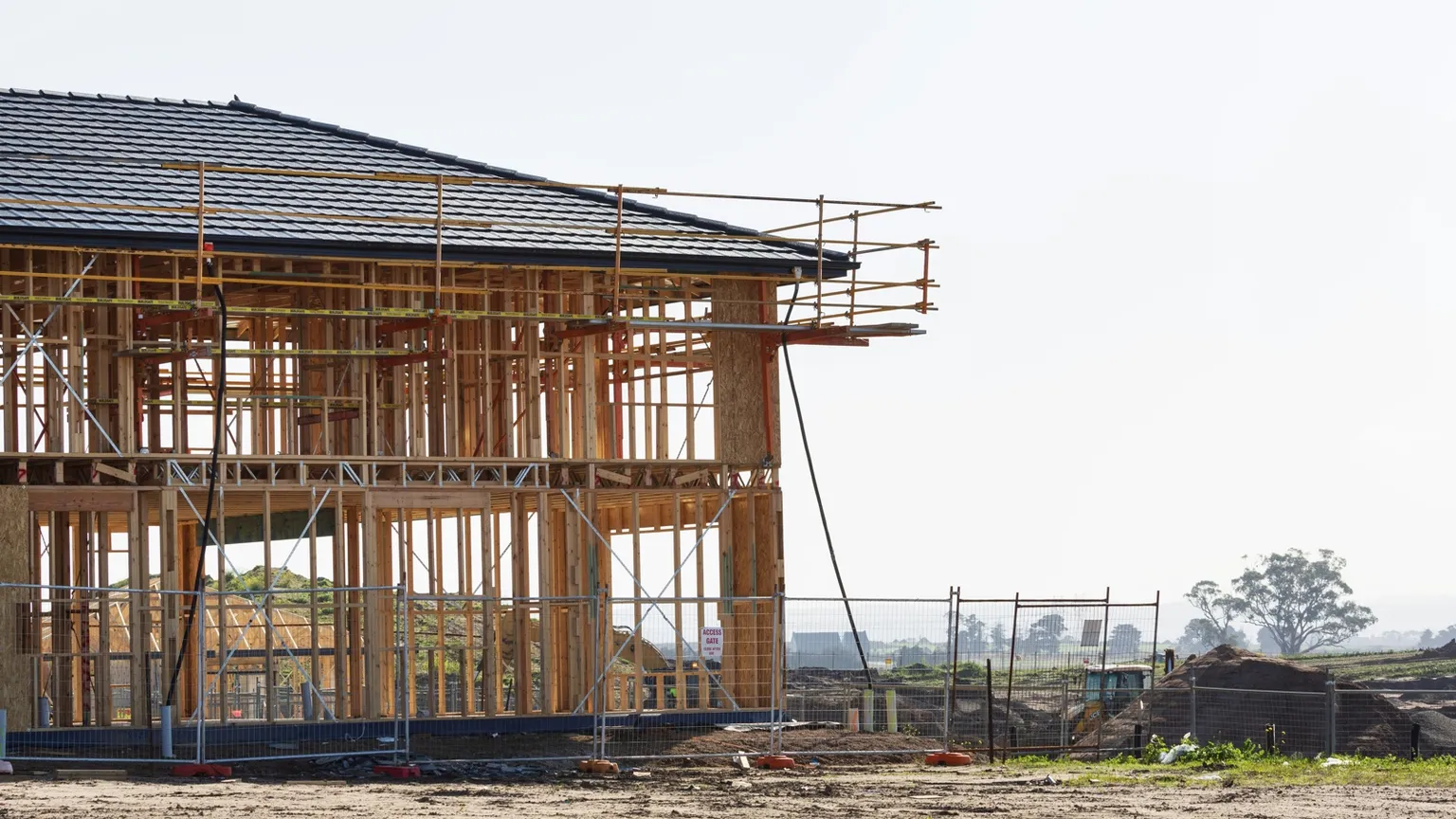
Image credit: Troy Mortier / Unsplash. Illustrative photograph. Source · Licence Cropped for display; original retained.
Sources and boundaries
Checked 10 October 2026. Links are included beside the relevant claims in the article body. Rules and authority requirements can change; confirm the current position for the site before acting.
- NSW Government — Design and Building Practitioners — NSW overview of design and building practitioner obligations.
- NSW Government — Design and Building Practitioners Act reforms — NSW reforms and regulated building work guidance.
- NSW Planning Portal — Construction certificates — Construction certificate process context.
Educational information only. This is not financial, legal, tax, planning, lending, engineering or construction advice. Requirements change and must be confirmed for the site and circumstances.
Rate this article
FAQ
Do these NSW rules apply to every residential project?
No. The answer depends on building classification and work type. A certifier or appropriately qualified designer must confirm the site-specific position.
Can a builder provide the declarations?
Only the right registered practitioner can make the relevant declaration. Do not assume the builder’s general scope covers every design obligation.
Is planning approval enough to start work?
No. Construction documentation, certification, lender conditions and any regulated design requirements still need to be satisfied.
Where should the cost sit in the feasibility?
Include it in professional fees and programme assumptions, with a contingency for scope gaps and redesign.
Who should a student brief first?
Start with a NSW building certifier and the lead designer or architect, then involve engineers where regulated designs are likely.