
A refusal letter arrives and the instinct is either to abandon the site or to instruct a lawyer immediately. Both reactions skip the same step: working out whether an appeal is available, what the deadline actually is, and whether a negotiated outcome is more likely than a court fight.
In New South Wales the Land and Environment Court publishes enough detail to make that assessment before you spend a dollar on it. Here is what to read.
What an appeal actually is
An appeal under the Environmental Planning and Assessment Act 1979 is a merits review. The Court does not simply ask whether the council followed process. As the Court's own Class 1 jurisdiction page explains, the Court sits in the place of the original decision-maker and re-exercises the administrative decision-making functions, and its decision is final and binding. In development appeals the Court decides whether to grant consent and, if so, on what conditions. Class 1 appeals are usually heard by a commissioner.
That is a genuine second chance on the merits, but it is also a second full assessment of a proposal that has already been through one.
The clock, and why the deemed refusal date matters more than the refusal date
The Court's development appeals page states that an appeal under s 8.7 or s 8.9 is generally to be made within six months after the date the applicant received notice of the determination, or the date the application is taken to have been determined.
That second limb is the one people miss. An application is taken to have been determined - that is, deemed to be refused - when the application has been lodged, a set period has elapsed and there has been no determination. For a s 8.7 development application the page sets that period at 40 days for ordinary development, 60 days for designated development or integrated development, and 90 days for State significant development. For an application to modify a consent under s 8.9 it is generally 40 days. If you are chasing a council determination and waiting quietly, you may already be partway through an appeal window you did not know had opened.
Objector appeals under s 8.8 run on a much tighter clock: 28 days after notice of the determination, and only for designated development where the objector made a submission during the submission period.
What the odds look like
The Court publishes its own case mix. In 2022, Class 1 appeals were 61% of the Court's finalised caseload, 69% of finalised Class 1 matters were s 8.7 appeals about development applications, and 60% of those were applications where councils had not determined the application within the statutory time period. In the same year, 77% of Class 1 appeals were finalised by alternative dispute resolution and negotiated settlement without a court hearing, and the median time for completion of all Class 1 appeals was 179 days.
Read those numbers as orientation only. They are historical and they are not your matter. But they do tell you two things a feasibility should absorb: most NSW appeals are about delay as much as refusal, and most are resolved by negotiation rather than a hearing.
The practical test before you appeal
- Calculate the deadline from the correct trigger date, in writing, and diarise it.
- Establish whether the refusal was actual or deemed.
- Identify the specific contentions that would defeat the proposal, not the general objections.
- Estimate the cost and time of a conciliation conference against the value of the delay.
- Test whether a redesigned proposal would resolve the issue faster than an appeal.
- Check your contract and finance documents for how an appeal period affects your obligations and interest cost.
The Class 1 practice note sets out the process from filing through directions hearings and conciliation to hearing, and requires a respondent council to particularise each contention it relies on. Reading it before you brief anyone tells you what you will need to produce.
The trap
Treating an appeal as a way to make a council decide faster. If the underlying proposal does not respond to the real constraint - a control, an access issue, a servicing problem - an appeal converts a planning problem into a legal one and adds months. The other trap is missing the deemed refusal trigger entirely and discovering the window has quietly closed.
You are not expected to solve this yourself. The correct next step is to brief a NSW planning lawyer who runs Land and Environment Court matters, with the town planner who prepared or reviewed the application beside them, and ask them to confirm the date your appeal right arose, the prospects, and what a conciliation conference would realistically cost. They do the assessment; you make the commercial call with the numbers in front of you.
Sources and boundaries
Sources checked 1 October 2026. Jurisdiction and limits: New South Wales only. The appeal rights, the six-month period, the deemed refusal periods and the case-mix figures come from the Land and Environment Court of New South Wales website and its published Class 1 practice note. Merits, costs, prospects and the outcome of any individual appeal are outside this article.
- Land and Environment Court of NSW — Development appeals. Used for: The s 8.7 and s 8.9 appeal rights, the six-month period, the 40, 60 and 90 day deemed refusal periods, the 40 day modification period and the 28 day objector period (page last updated 16 June 2026) (Checked 1 October 2026)
- Land and Environment Court of NSW — Class 1: Environmental planning and protection appeals. Used for: That the Court re-exercises the decision-making function, that Class 1 appeals are usually heard by a commissioner, and the published 2022 case-mix and timing figures (Checked 1 October 2026)
- Land and Environment Court of NSW — Practice Note Class 1 Development Appeals. Used for: The process from filing through directions hearings, conciliation and hearing, and the requirement for a respondent council to particularise its contentions (Checked 1 October 2026)
This article is general education, not personalised planning, legal, financial, tax or building advice. Requirements and outcomes vary by jurisdiction, site, contract, structure and circumstances. Check current information with the relevant authority and appropriately qualified advisers.
 Learn with Jason & AmyBuild practical small-scale property development skills with experienced mentors.Enquire now
Rate this article
Guest rating: select 1 star for poor or 5 stars for great. No account is required.
Leave a comment
Join the discussion. Your email address will not be published.
Frequently asked questions
How long do I have to appeal a refused development application in NSW?
The Court's development appeals page states that an appeal under s 8.7 or s 8.9 is generally to be made within six months after the date the applicant received notice of the determination, or the date the application is taken to have been determined. Confirm the exact trigger date for your matter with a NSW planning lawyer rather than counting the months yourself.
What is a deemed refusal and why does it matter?
A deemed refusal occurs when the application has been lodged, a set period has elapsed and there has been no determination. The Court's page sets those periods at 40 days for ordinary development, 60 days for designated or integrated development and 90 days for State significant development, with 40 days generally for consent modifications. Because the period starts the clock, waiting for a council decision can use up part of your appeal window.
Will an appeal actually go to a hearing?
Often not. The Court's published 2022 figures show that 77% of Class 1 appeals were finalised by alternative dispute resolution and negotiated settlement without the need for a court hearing, and the median time for completion of all Class 1 appeals was 179 days. Those figures are historical and do not predict your outcome.
Can someone other than the applicant appeal?
Yes, in narrow circumstances. Objector appeals under s 8.8 are available only for designated development, only to a person who made a submission objecting during the submission period, and only within 28 days after notice of the determination. It is a different and much shorter clock from an applicant's appeal.
What does the Court actually decide?
The Court re-exercises the decision-making function of the consent authority. In a development appeal it decides whether to grant development consent and, if so, what conditions apply, and its decision is final and binding. That means the proposal itself, not just the council's process, is what will be examined.
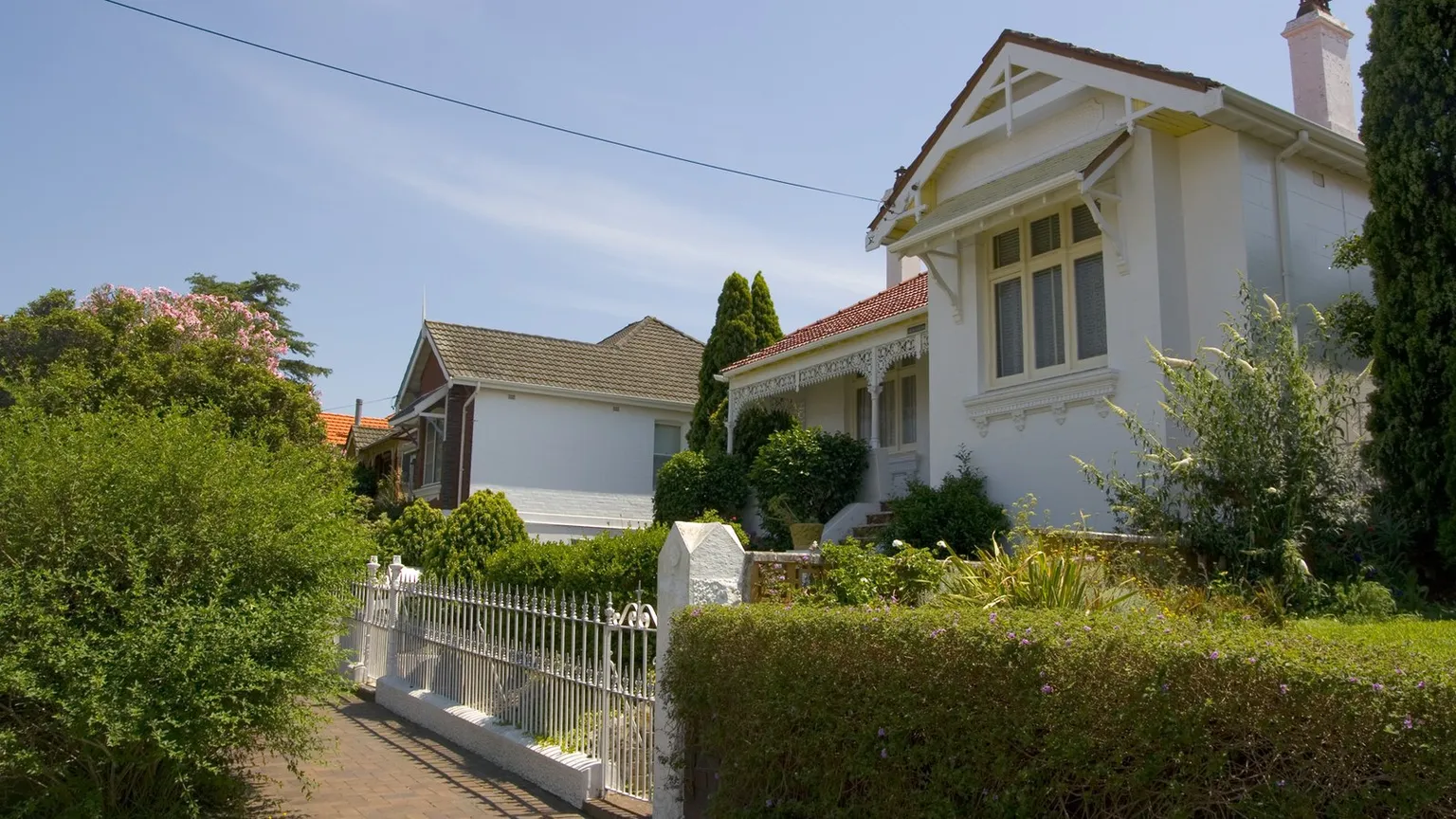
Photo: Maksym Kozlenko, CC BY-SA 3.0, via Wikimedia Commons.
Loading comments…