
Erosion And Sediment Control Australia: The Site Test Before You Lodge
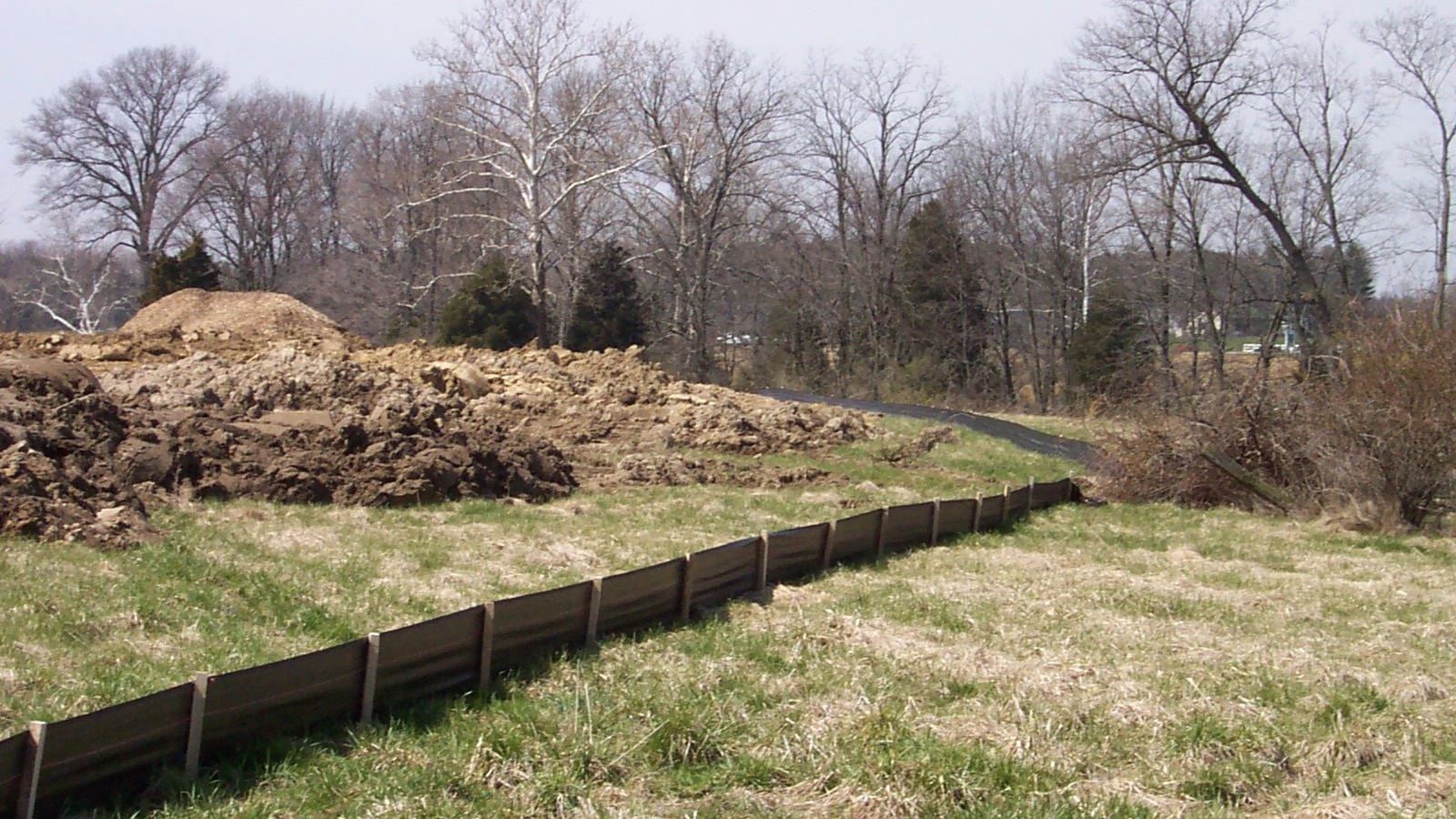
Sediment control looks like a minor detail on a small residential job. It is actually a condition of consent, a design constraint and a legal duty at the same time.
The reason it deserves a site test before you lodge is simple: the cheapest control is a layout that keeps soil out of the drainage system in the first place.
What the obligation really is
Erosion and sediment control is about stopping soil, and anything attached to it, leaving your site and reaching stormwater or waterways. In New South Wales this connects directly to the EPA's water quality regulation, and it is normally enforced through council consent conditions rather than a single statewide rule.
In Victoria, the same outcome is pursued through the general environmental duty and pollution duties in the Environment Protection Act 2017, summarised on the EPA Victoria laws and regulation pages. The detail differs; the direction of travel does not. You are expected to prevent pollution leaving your site.
The site test to run before you lodge
Before you design the layout, answer these questions about the land itself:
- Where does water enter and leave? Identify the upstream catchment and every point where runoff can leave your site, including over the boundary to neighbours.
- What is under the surface? Slope, soil type, rock depth and groundwater change excavation method, stockpile placement and how much sediment you will generate.
- Where can sediment actually be captured? Sediment needs somewhere to settle. A site with no room for a barrier or basin needs a different control strategy, not just a smaller fence.
- Where will excavated material go? Stockpile location and legal disposal routes are part of the plan, and disposal is regulated waste in both NSW and Victoria.
- Who maintains it, and how often? Controls fail when nobody owns inspection after rain. Name the responsible person and the trigger for checking.
Why this is a cost line, not a chore
Every one of those answers maps to money. Stockpiling on the low side of a slope means more control measures and a higher clean-up risk. A tight site with no room for a settling area means more frequent maintenance and a slower excavation cycle.
There is also a safety dimension. Safe Work Australia's excavation guidance describes excavation as dangerous work where collapses can happen quickly, and it notes that vibration and hazardous noise are among the common hazards. Sediment basins and open trenches are the same excavation risk in a different role, so the control plan and the safety plan should agree with each other.
The TPC deal lens
Test the deal like this: assume the site must carry sediment controls for the full duration of works, including maintenance after every significant rain event. Does your site works allowance and programme still hold?
If the answer is yes, sediment control is a managed cost. If the answer relies on finishing the earthworks quickly in a dry month, you are relying on weather, which is the one variable nobody can underwrite.
Common failures on small sites
- Designing a control layout that blocks the only access route for a concrete truck.
- Placing a control device where the site discharges uphill, so it never functions.
- Leaving inspection to chance until council or the regulator visits.
- Stockpiling material on the boundary, where a single storm sends it to the neighbour.
These are not expensive problems to avoid at design stage. They become expensive once the ground is open.
Next step: trace the water on your site before you finalise the layout, then confirm the control requirements with the council or the relevant regulator for your jurisdiction.
Sources and boundaries
Sources checked 17 September 2026. Jurisdiction and limits: Australia (NSW and Victoria sources cited; consent conditions and control requirements are set locally).
- NSW EPA — Water. Used for: NSW EPA water quality regulation and stormwater context used for erosion and sediment control obligations. (Checked 17 September 2026)
- NSW EPA — Waste. Used for: NSW EPA waste regulation, relevant to lawful disposal of excavated and contaminated material. (Checked 17 September 2026)
- EPA Victoria — Laws and regulation. Used for: Victorian environmental duties under the Environment Protection Act 2017, including pollution duties for businesses. (Checked 17 September 2026)
- Safe Work Australia — Excavation. Used for: Excavation hazards and controls, including managing risks before excavation work starts. (Checked 17 September 2026)
This article is general education, not personalised planning, legal, financial, tax, privacy, safety or building advice. Requirements and outcomes vary by jurisdiction, site, contract, structure and circumstances. Check current information with the relevant authority and appropriately qualified advisers.
 Learn with Jason & AmyBuild practical small-scale property development skills with experienced mentors.Enquire now
Rate this article
Guest rating: select 1 star for poor or 5 stars for great. No account is required.
Leave a comment
Join the discussion. Your email address will not be published.
Frequently asked questions
Is erosion and sediment control a legal requirement or just good practice?
It is both. Controls are normally imposed as conditions of consent by the local council, and in Victoria the general environmental duty and pollution duties in the Environment Protection Act 2017 create an independent legal obligation. In NSW the relevant water quality regulation sits with the EPA. Treat it as a compliance requirement, not a courtesy.
When should I plan sediment control for a development?
Before you lodge. Control strategy determines where stockpiles can sit and sometimes how the site is accessed, so decisions made at design stage are far cheaper than controls retrofitted once excavation has started.
How long do controls need to stay in place?
They need to remain effective until the site is stabilised and no longer discharging sediment, which for small projects often means through the whole construction phase rather than only during earthworks. Maintenance after rain is part of the obligation.
What happens if sediment leaves my site?
Runoff carrying sediment can pollute stormwater and waterways and can trigger enforcement action. That risk is why prevention, inspection and clean-up should be treated as a budgeted cost rather than an unplanned contingency.
Does the excavation safety plan relate to sediment control?
Yes. Excavation is high-risk work involving collapse, falls, vibration and hazardous noise, and sediment basins and open trenches are part of the same excavation risk profile. The sediment control plan and the safety plan should be consistent with each other.
Loading comments…