
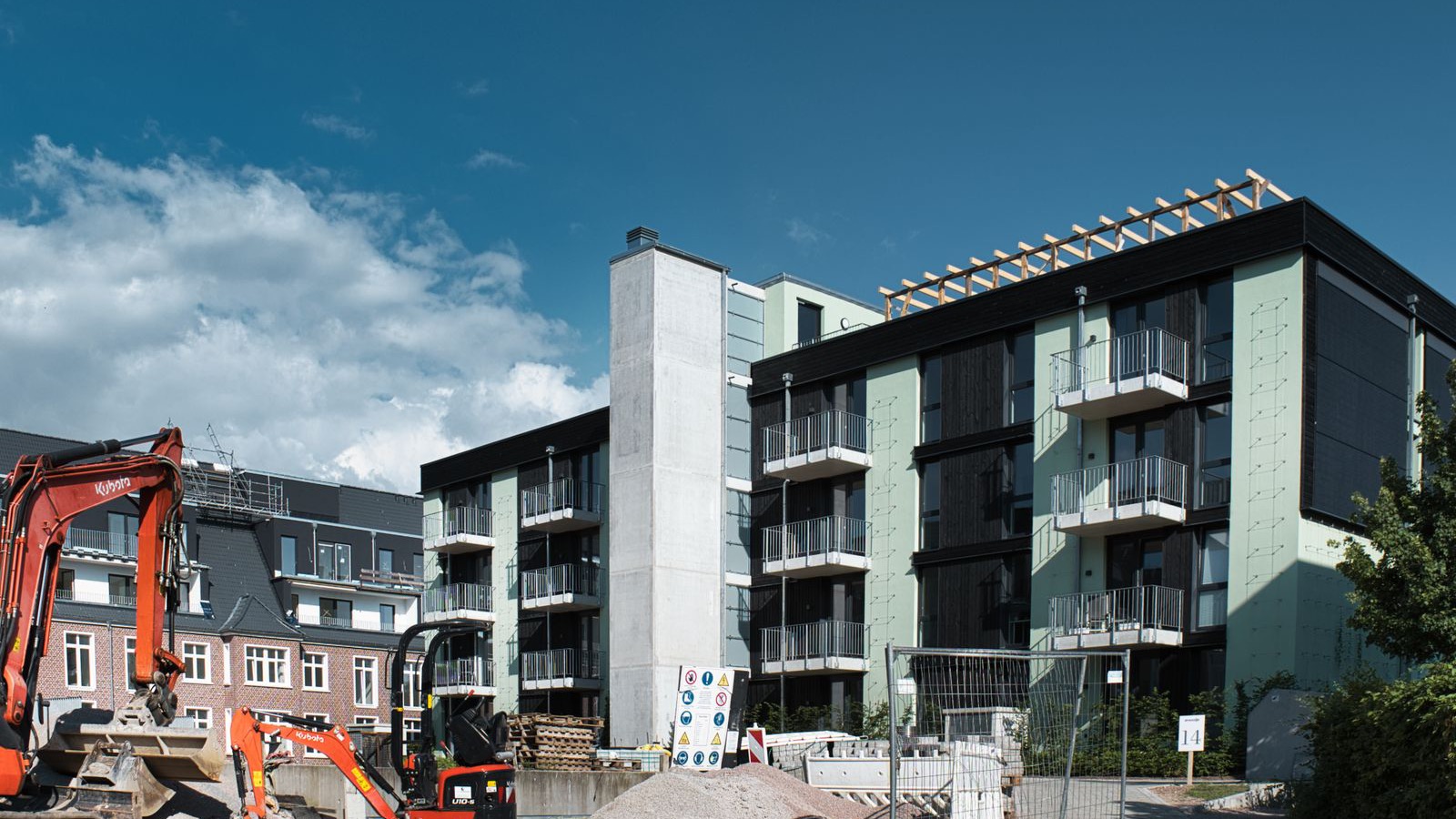
Construction Noise Australia: Set Working Hours That Keep Your Project Out Of Trouble
Noise rarely stops a development on paper. It stops it on the ground, one complaint at a time, usually about twenty minutes into a Saturday morning pour.
Most small developers think about noise as a neighbour-relations problem. It is better understood as a programme and cost risk that you can test before you lodge.
Why neighbours complain, and why it is a project risk
The NSW EPA describes noise as a concern for many people, noting that short-term effects include interference with speech, disturbed sleep and interrupted work, and that prolonged exposure to loud noise can contribute to anxiety and other health effects. That is exactly why the calls arrive: residential construction usually happens next to people who are home.
The EPA works with local government, NSW Police and Transport for NSW to enforce noise control regulations, and the community reports neighbourhood noise to council or the EPA. A complaint is therefore not private feedback; it is an escalation into a regulatory process you do not control.
Hours are the first control, not the last
Many councils restrict construction hours, but the exact permitted windows are set locally and differ across jurisdictions, so the number that matters is the one attached to your site. Do not read someone else's hours off a forum and put them in your builder's programme.
Victorian construction noise is regulated under the Environment Protection Act 2017 and the Environment Protection Regulations 2021, and the EPA Victoria construction noise guidance explains how noise from building activity is assessed and managed there. New South Wales approaches the same problem through the framework described on the NSW EPA noise pages.
Two states, two frameworks, one conclusion: confirm your site's requirements rather than assuming a standard national answer exists.
The site test to run before you lodge
- Map the sensitive receivers. List the dwellings closest to the noisiest activity, and note who is likely to be home during the permitted hours.
- Identify the loudest stages. Demolition, excavation, rock-breaking, piling and concrete pumping usually drive complaints, not carpentry.
- Check the local hours yourself. Confirm the permitted construction windows for your site from the council or the consent conditions, and put them in writing to your builder.
- Price the controls that reduce noise. Acoustic barriers, silenced plant, alternative methods and sequencing all cost money, and they should be in the build estimate, not discovered later.
- Plan how you will communicate. A written notice before the loud stages, with a named contact, is cheaper than a regulator visit.
Noise is also a safety duty
It is easy to treat this as purely a neighbour issue. On site, noise is a hazard too. Safe Work Australia's construction guidance treats noise as part of the risks a person conducting a business or undertaking must manage, alongside the other construction hazards.
That means your builder has duties to their own workers that exist independently of any council hours condition. A project that quietly relies on noisy equipment running longer hours than permitted is exposing the builder to a second regulatory problem.
The TPC deal lens
Run the test this way: assume one loud stage must be completed inside a shorter window than planned, with an acoustic barrier in place. Does the programme and cost still hold?
If the answer is no, you have found a real feasibility constraint while it is still a planning question rather than a variation. If the answer is yes, you have removed the most common cause of an unplanned stoppage on a small residential job.
Where this goes wrong
- Copying another council's hours into the programme.
- Pricing demolition without any noise control allowance.
- Assuming a complaint is a nuisance rather than the start of a compliance process.
- Leaving neighbour communication to the builder's discretion.
None of these are exotic failures. They are ordinary omissions, and each one converts a controllable cost into a schedule risk.
Next step: confirm your site's permitted construction hours from the consent or council, write them into the builder's programme and price the controls for the loudest three stages.
Sources and boundaries
Sources checked 17 September 2026. Jurisdiction and limits: Australia (NSW and Victoria sources cited; construction hours are set locally and vary by council).
- NSW EPA — Noise. Used for: NSW EPA overview of noise regulation, its partnership with local government and Police, and how the community reports noise issues. (Checked 17 September 2026)
- EPA Victoria — Construction noise. Used for: Victorian construction noise guidance under the Environment Protection Act 2017 and Environment Protection Regulations 2021. (Checked 17 September 2026)
- Safe Work Australia — Construction. Used for: WHS duties for construction work, including managing noise as a hazard on site. (Checked 17 September 2026)
- SafeWork NSW — Building and construction. Used for: NSW construction industry safety guidance and regulator contact. (Checked 17 September 2026)
This article is general education, not personalised planning, legal, financial, tax, privacy, safety or building advice. Requirements and outcomes vary by jurisdiction, site, contract, structure and circumstances. Check current information with the relevant authority and appropriately qualified advisers.
 Learn with Jason & AmyBuild practical small-scale property development skills with experienced mentors.Enquire now
Rate this article
Guest rating: select 1 star for poor or 5 stars for great. No account is required.
Leave a comment
Join the discussion. Your email address will not be published.
Frequently asked questions
Are construction working hours the same across Australia?
No. Permitted construction hours are generally set by the local council or through consent conditions, while environmental noise regulation sits with state bodies such as the NSW EPA and EPA Victoria. The hours that apply are the ones attached to your site, so confirm them directly rather than assuming a national standard.
What should I do if a neighbour complains?
Take it seriously and respond with information. In NSW, neighbourhood noise issues are reported to the local council or the EPA, so a complaint can become a regulatory matter. A written notice with a named site contact before the loud stages usually reduces the chance of escalation.
Which stages of a small development create the most noise?
Demolition, excavation, rock-breaking, piling and concrete pumping tend to be the loudest and most complained about. Understanding which stages drive your noise profile lets you target controls and scheduling where they actually change the outcome.
Do noise controls really affect the budget?
Yes. Acoustic barriers, silenced plant specifications, alternative excavation methods and resequencing work all have a cost. The purpose of testing them early is to price that cost in the feasibility instead of absorbing it as an unplanned variation.
Is noise only a council issue?
No. Noise is also a workplace hazard that a person conducting a business or undertaking must manage under WHS laws, which is separate from any council hours condition. Running noisy work outside permitted hours can create a second regulatory exposure for the builder.
Loading comments…