South Australia’s Draft Flood Mapping: Turn New Risk Signals into Smarter Site Due Diligence
A flood overlay can look like a reason to reject a South Australian site, while removal from a draft map can look like permission to relax. Neither conclusion is strong enough for a developer: informed buyers investigate the current controls, the emerging mapping and the physical water risk before deciding. The goal is not to avoid every challenge; it is to identify and manage it early.
Read the announcement—and respect the draft status
PlanSA reported on 21 May 2026 that the draft State-Wide Flood Hazard Code Amendment uses updated modelling to 2050. The official announcement says the proposal would remove flood-related planning requirements from more than 280,000 properties while strengthening the response in higher-risk areas. That scale makes the work relevant to site screening, but the proposal remains something developers must distinguish from the controls legally applying to a property today.
Separate current law from the emerging map
Confirm whether the property is affected by the current Planning and Design Code, the draft amendment, or a separate River Murray or coastal overlay. Record the version and date used in the feasibility so the assumption can be updated before settlement. This simple discipline turns a moving policy environment into a manageable decision process: know what applies now, know what may change and model both where the difference is material.
Price the physical risk, not just the planning rule
A planning control may change without removing drainage, insurance, access or construction risk. Obtain site levels, council drainage information and specialist flood advice. Test finished-floor levels, detention, safe access, earthworks and the effect on landscaping and yield. Then carry the design response through construction cost, program, insurance, finance and exit assumptions. The map is a starting point; the site-specific response is what belongs in your feasibility.
Use time and contract structure intelligently
Where mapping is unsettled, an option or conditional contract may preserve time to complete technical work. The contract should be reviewed by a property lawyer and must align with finance and approval timeframes. Do not rely on a condition you do not understand or a due-diligence period too short for the required specialists. Create enough space to investigate, make a decision and negotiate from evidence.
TPC deal lens: quantify what others may generalise
Land released from a precautionary control is not automatically underpriced, and newly mapped land is not automatically unworkable. The opportunity lies in quantifying the physical risk and design response before the market generalises it. When the technical work supports a conservative outcome, progress with discipline; when it exposes an unmanageable cost, safety issue or insurance constraint, walking away is a productive development decision too.
Your South Australian flood due-diligence checklist
- Save the current Planning and Design Code mapping, relevant overlays, draft mapping, version and date.
- Confirm with a planner which controls apply now and how the draft amendment may affect the proposal.
- Obtain site levels, council drainage information and project-specific flood advice.
- Test finished-floor levels, detention, access, earthworks, landscaping, yield and construction staging.
- Check insurance, finance, program and exit implications rather than treating flood risk as planning-only.
- Model both the current and potential future mapping position where the difference is material.
- Have a property lawyer review any option or conditional contract and recheck mapping before settlement.
Key Takeaway
Save the current Planning and Design Code mapping, draft amendment material, title, survey or levels, council drainage information and any available flood studies for the exact site. Obtain project-specific professional advice from a planner, surveyor, flood engineer, civil engineer, insurer, lender and property lawyer where relevant. Early due diligence helps you decide whether flood exposure can be designed around through floor levels, drainage, detention, access or site layout, protected through a conditional contract, negotiated with the vendor or reflected in the purchase price and contingency.
Successful developers do not ignore a flood signal or assume that a map change removes the physical risk. They identify the hazard, understand its effect on safety, yield, cost, insurance and finance, and manage it before committing to the deal.
Your Turn
Would you reject the site from the map alone, or investigate whether verified levels and the right engineering response could make the opportunity workable?
Sources and image record
- PlanSA — Updated flood mapping and policies — accessed 29 August 2026.
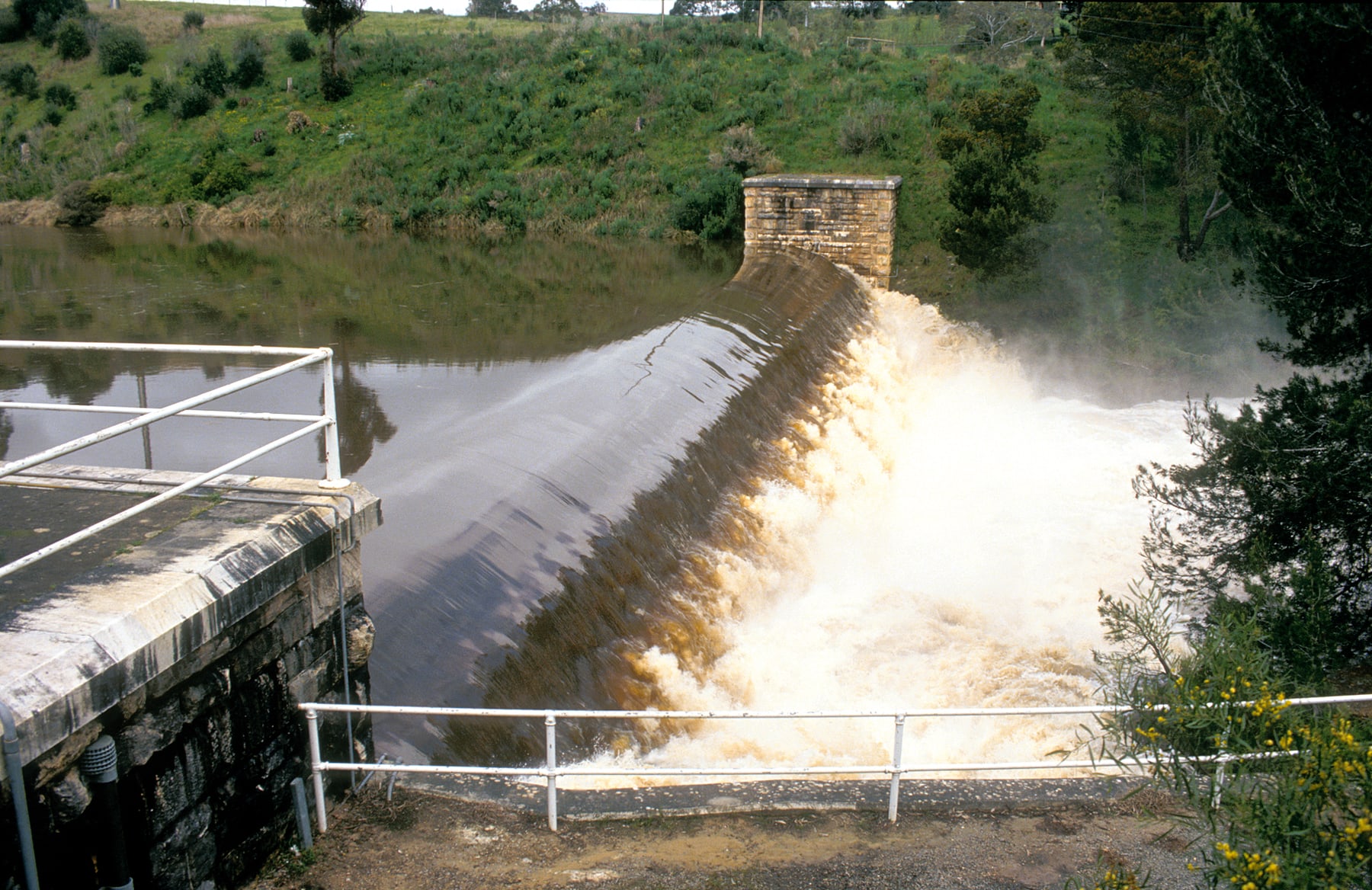
- Feature photograph: “Flood waters surge over the Clarendon Weir in the Adelaide Hills, South Australia, 1992” by John Coppi, CSIRO. Exact source page. Licence: Creative Commons Attribution 3.0. Accessed 30 August 2026. Required attribution: “Flood waters at Clarendon Weir, Adelaide Hills, 1992. Photo by John Coppi, CSIRO, licensed under CC BY 3.0, via Wikimedia Commons.” Resized and compressed for web; no compositional edits.

General educational information only. Obtain independent legal, financial, tax, planning and building advice for the specific property and proposal.
Frequently asked questions
What should investors know about Read the announcement—and respect the draft status?
PlanSA reported on 21 May 2026 that the draft State-Wide Flood Hazard Code Amendment uses updated modelling to 2050. The official announcement says the proposal would remove flood-related planning requirements from more than 280,000 properties while strengthening the response in higher-risk areas. That scale makes the work relevant to site screening, but the proposal remains something developers must distinguish from the controls legally applying to a property today.
What should investors know about Separate current law from the emerging map?
Confirm whether the property is affected by the current Planning and Design Code, the draft amendment, or a separate River Murray or coastal overlay. Record the version and date used in the feasibility so the assumption can be updated before settlement. This simple discipline turns a moving policy environment into a manageable decision process: know what applies now, know what may change and model both where the difference is material.
What should investors know about Price the physical risk, not just the planning rule?
A planning control may change without removing drainage, insurance, access or construction risk. Obtain site levels, council drainage information and specialist flood advice. Test finished-floor levels, detention, safe access, earthworks and the effect on landscaping and yield. Then carry the design response through construction cost, program, insurance, finance and exit assumptions. The map is a starting point; the site-specific response is what belongs in your feasibility.
What should investors know about Use time and contract structure intelligently?
Where mapping is unsettled, an option or conditional contract may preserve time to complete technical work. The contract should be reviewed by a property lawyer and must align with finance and approval timeframes. Do not rely on a condition you do not understand or a due-diligence period too short for the required specialists. Create enough space to investigate, make a decision and negotiate from evidence.
What should investors know about TPC deal lens: quantify what others may generalise?
Land released from a precautionary control is not automatically underpriced, and newly mapped land is not automatically unworkable. The opportunity lies in quantifying the actual design response before the market does. When the technical work supports a conservative outcome, move forward with confidence. When it exposes an unmanageable cost or risk, walking away is a productive development decision too.
Rate this article
How useful did you find this article? 1 is poor and 5 is great.
Join the conversation
Your email address will not be published.
Loading comments…