
Before you approve the lot brochure or let separate consultants name the same future property differently, ask who will confirm its address. The decision is about controlling project information early, not choosing an attractive street number. Get addressing advice while access and staging can still change, then decide what can safely be described as proposed and what the authority has actually confirmed.
Who decides the address?
In NSW, the local council issues street numbers and is the address custodian within its area. The relevant road authority names roads: councils name local and regional roads, while Transport for NSW has a role for state roads. The Geographical Names Board sets road-naming policy and reviews proposals; it does not itself name roads. Spatial Services maintains the NSW Address Database. See how addresses are decided and the road-naming responsibilities.
For a new local subdivision road, start with council rather than treating the developer's preferred name as official. Ask which naming, endorsement and recording steps remain. State-road or unusual access arrangements need authority-specific advice, not an assumption based on who maintains the pavement.
Your request should distinguish preliminary advice, a reserved road name and an allocated street address. Save the plan revision that advice relates to; a later access change can make an earlier email the wrong evidence. Ask who will notify Spatial Services and how your team should check updated records before relying on them.
Keep the address, lot and title separate
A street address helps people locate a site. A lot number in a deposited plan identifies land within that plan; a DP contains land-boundary information. The NSW LRS glossary explains deposited plans, while the Torrens Title Register guide explains the ownership and interests recorded on title. These references answer different questions.
The March 2026 NSW Address Policy and User Manual, section 6.2.1, expressly separates lot numbers from street numbers. Its AP5.3 guidance also says concept-plan addresses have proposed status and may change during development. An address on a drawing is therefore not subdivision approval. An allocated number does not establish utility capacity, connection approval or completed plan registration either. Keep evidence of each separately.
Put three addressing checks into the programme
- At concept stage: ask your registered surveyor to take the proposed layout, existing address, access points and stages to council's addressing team. Ask whether a new road name, existing-address change or further information may be needed. The manual's AP5.1–2 guidance brings addressing into concept and pre-DA discussions; section 6.1.1 makes access important to the primary address. Do not invent numbers from the neighbouring sequence.
- Before marketing and service records harden: obtain written advice identifying each address's status and what can change. Agree with your agent how proposed identifiers will be described. For water, electricity and other applications, ask which site identifiers each provider requires and reconcile them to the same lot and plan revision. This is a risk-control recommendation, not a claim that every NSW marketing activity legally requires an allocated address first.
- Before final survey and lodgment assumptions: have the surveyor reconcile the latest layout, council advice and addressing on final documentation. AP5.6–7 of the manual describes address validation and checking road/locality information against the state database. Discrepancies can require correction. Early advice reduces avoidable inconsistency; it does not guarantee registration.
Use a simple project register linking each proposed lot label, plan revision, stage, access point, address status, council correspondence and service-provider reference. This is a suggested management tool, not a mandatory NSW form. When the layout changes, update the register and tell everyone using the old version.
Hypothetical test: the corner site changes
Imagine retaining a house and creating rear lots on a corner site. The marketing sketch assumes every property will use the existing street. During design, pedestrian and vehicle access are reconsidered, and a later stage may rely on a future road. Nothing in this example determines the correct address.
Pause before printing signs or treating service references as final. Ask the surveyor and council which access and stage information they need, whether existing addressing is affected, and what remains provisional. Then compare a coordinated release with a premature release that needs revised brochures, signage, consultant drawings and provider records. Do not assume a future road name or a later-stage address is already available for use.
TPC deal lens: price coordination, not just the application
Allow for surveyor coordination, current local charges if applicable, signage and document updates. Ask council for its current process and indicative lead time; there is no statewide fee or turnaround promised here. Stress-test extra holding costs if an unresolved identity mismatch interrupts another task. Do not assume a tidy address register means servicing or registration is solved.
Key takeaway
You are not expected to assign addresses or resolve survey details yourself. Brief a NSW registered surveyor and the local addressing authority early. This is a guide to consistent lot identity, not the subdivision-certificate pathway. Keep proposed labels provisional until the relevant evidence supports them.
Your turn
If access or staging changed tomorrow, who would update every document carrying the old address?
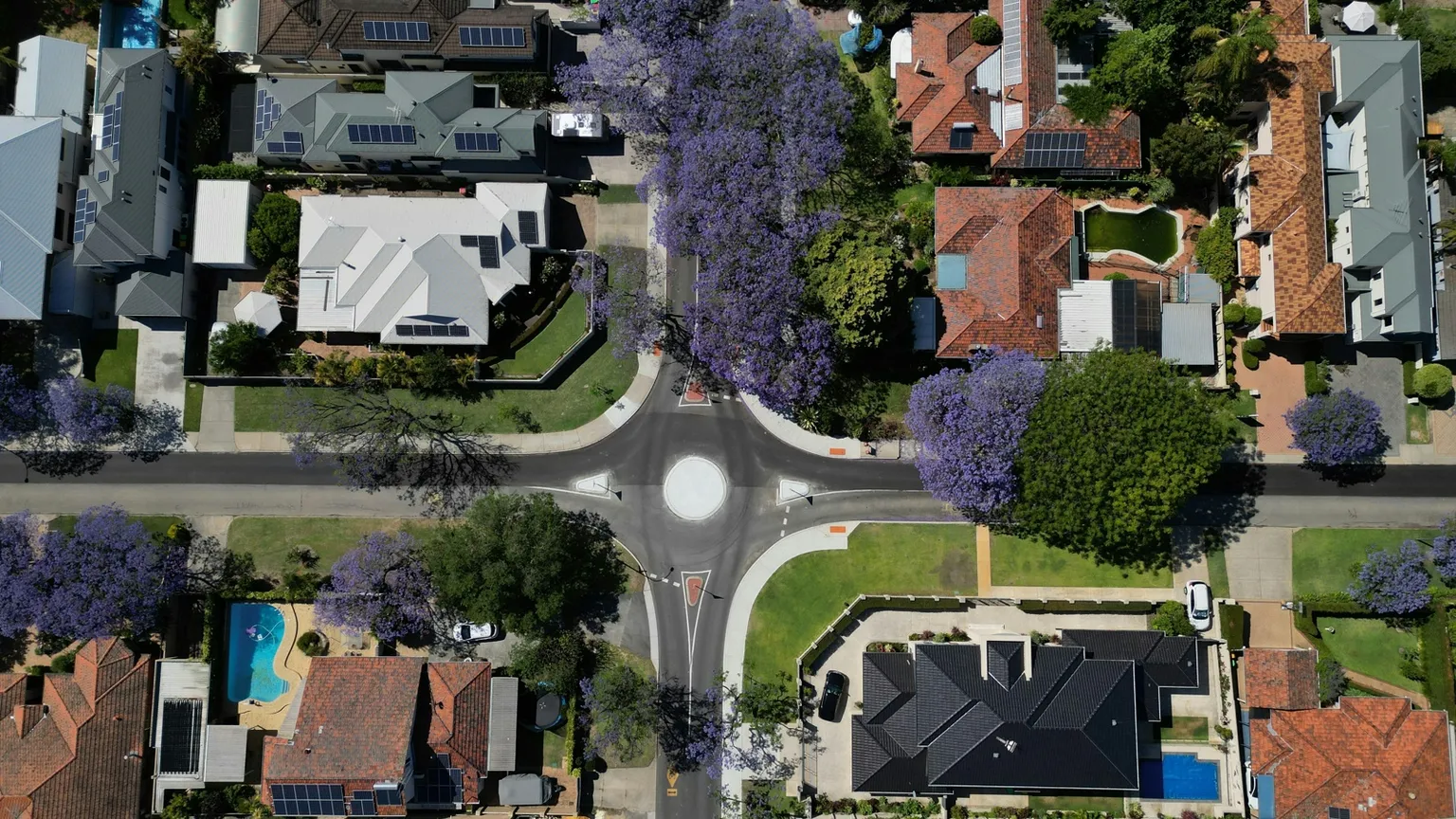
Image credit: Kat Nesterenko / Unsplash. Illustrative photograph. Source · Licence Cropped for display; original retained.
Sources and boundaries
Sources checked 27 October 2026.
- NSW Government — How addresses are decided — Checked 27 October 2026. Council street-number allocation and custodianship, road-authority roles, GNB locality responsibilities and Spatial Services database role. An address is not evidence of utility capacity.
- NSW Government — How road names are decided — Checked 27 October 2026. Road authority decides road names; GNB sets policy, reviews proposals and is notified. Local/regional road naming is distinguished from state-road responsibilities. Not a complete guide to unusual road classes.
- GNB and DCS Spatial Services — NSW Address Policy and User Manual, March 2026 — Checked 27 October 2026. Sections 2.4, 3.1, 6.1.1 and 6.2.1; AP5.1–3 and AP5.6–7. Access relevance, distinct lot and address numbers, early consultation, proposed status and final-document validation. AP5 contains legacy planning-law references: those references are not relied on as current statutory instructions.
- NSW Government — NSW Address Policy and User Manual download page — Checked 27 October 2026. Live download page identifies the March 2026 manual file as updated 16 March 2026; landing publication date is not the edition date.
- NSW Land Registry Services — Glossary of terms — Checked 27 October 2026. Used only for deposited-plan and folio definitions. Some unrelated glossary entries retain historic terminology and are not authority for current certificate or lodgment processes.
- NSW Land Registry Services — About the Torrens Title Register — Checked 27 October 2026. Used for title folios, recorded ownership/interests and lot/plan-based identifiers. No reliance on physical Certificate of Title descriptions or a guarantee of registration.
NSW only; checked 27 October 2026. State guidance explains authority roles and addressing principles, not a specific council's application, charges or service standard. The March 2026 manual retains legacy statutory references in parts of AP5; the article uses only the addressing principles/workflow and does not reproduce those references as current law. The older 2018 developer reference guide was reviewed but is not relied on for current legal requirements. Registry material is used narrowly for plan/title concepts, not historic physical-title descriptions. No actual site, access solution, street number, road-name proposal, utility capacity or title status has been assessed. Early coordination and the suggested project register are educational recommendations, not a universal ban on marketing before allocation or a substitute for council confirmation. Confirm the policy applicable to the actual consent and the current local process with the registered surveyor and addressing authority.
General educational information only, not site-specific surveying, planning, legal, engineering, servicing or financial advice. Requirements and processes can change. Have a NSW registered surveyor coordinate the current site-specific addressing requirements with the local addressing authority, and separately confirm approvals, service-provider requirements and registration evidence before relying on them.
 Learn with Jason & AmyBuild practical small-scale property development skills with experienced mentors.Enquire now
Rate this article
Guest rating: select 1 star for poor or 5 stars for great. No account is required.
Leave a comment
Join the discussion. Your email address will not be published.
Frequently asked questions
Can I use the proposed lot number as its street number?
Do not assume they are interchangeable. The NSW manual distinguishes cadastral lot numbers from allocated address numbers. Keep the proposed lot label for project identification, clearly state its status, and ask the registered surveyor and council addressing team what address applies.
Does a proposed street address mean the subdivision is approved?
No. AP5.3 of the NSW manual says concept-plan addresses are proposed and can change. Address allocation, planning approval, service-provider requirements and plan registration are separate matters; retain the relevant evidence for each.
Who should confirm the address for a corner or rear lot?
Ask a NSW registered surveyor to coordinate with the local council addressing team using the actual layout and access points. Access matters under the NSW manual, so an old frontage or preferred street name is not enough to determine the answer.
What if a later stage uses a road that is not yet named?
Flag the dependency before relying on the later-stage address. Ask the surveyor and addressing authority which naming and addressing steps remain, which identifiers are provisional, and how to keep the stages and service-provider records aligned. Do not invent a final street address.
What costs and timing should the feasibility allow for?
Ask for site-specific advice on surveyor coordination, applicable local charges, signage, document amendments and authority lead times. Allow a downside for rework and holding costs if inconsistent identifiers interrupt another task. This guide supplies no statewide fee or fixed processing period.
Loading comments…