
A development site is a business proposition, and the moment a foreign person appears anywhere in the ownership structure the proposition changes. Not because the deal is impossible, but because an approval, a set of conditions and a fee arrive before the purchase can legally complete. Developers who price those things after exchange are the ones who run out of time on a condition they never read.
Here is the practical version. Australia wants foreign capital in new housing. It is markedly less welcoming to foreign capital in existing housing. Your project sits somewhere on that spectrum, and where it sits decides your program.
The deal question: is anyone in this deal a foreign person?
Start with the people, not the property. The framework applies to a foreign person, and that label can reach an individual, a company, a trust, or a structure with foreign beneficiaries or controllers. The Foreign Investment in Australia guidance on residential land opens with the rule that catches most buyers: generally foreign investors will need to notify the Australian Taxation Office before acquiring residential land, regardless of value. There is no small-deal exemption written into that sentence.
If the answer is yes, an approval is needed before the acquisition, and the residential property application to the ATO is the mechanism, not your solicitor's settlement letter. Fees, conditions and timing sit in the guidance index, and they are payable on a fixed schedule rather than negotiated.
Vacant land for development carries conditions, not just approval
The same guidance is unusually specific about vacant residential land. Approval is generally conditional on the construction being completed within four years and on the land not being sold until the construction is complete. Read that as a program constraint with a hard outer date: your feasibility timeline and your exit strategy both have to fit inside it. A site bought with a two-year intent to hold and design does not obviously do that.
Two more features matter to a deal-maker. First, from 1 April 2025 to 30 June 2029 foreign investors are generally prohibited from purchasing established dwellings, with limited exceptions set out in the guidance note - which is exactly the constraint that pushes foreign capital towards new supply. Second, and more useful to a local developer, the guidance states that property developers looking to sell newly developed dwellings to foreign investors can notify on behalf of their foreign customers, and where that has been done the foreign investor will generally not need to submit their own proposal. That is a sales-channel decision you can make long before completion.
The state tax layer: NSW as the worked example
Approval is national. Land tax is not. In NSW, Revenue NSW states that foreign persons who own residential land in NSW must pay surcharge land tax, and separately lists an exemption for Australian-based developers: foreign Australian-based corporations that own and develop land for construction or subdivision may be eligible. Eligibility is not automatic, and it is not something to assume from a structure chart. Every other state and territory sets its own version of this, so the NSW example must not be read as a national rule.
A site test you can run before you commit
- List every person or entity who will hold an interest, directly or through a trust or company.
- Ask your lawyer which of them is a foreign person under the current definitions.
- Confirm whether the acquisition is notifiable and significant, and what the fee would be.
- Write the approval and fee into the feasibility as a dated cost line with a contingency.
- Test the four-year completion condition against your realistic program, not your best case.
- Check the state land tax and surcharge position for the holding period, including any exemption.
- Confirm who pays and how, given fee payment methods have changed - from 19 September 2026 Treasury no longer accepts card payment for foreign investment fees, so timing and banking need to be planned.
The trap
The common mistake is treating the approval as a settlement formality. It is a pre-acquisition condition with a program attached, and the condition most likely to bite a small developer is the four-year build-and-hold requirement. The second most common mistake is assuming a corporate structure removes the question. It does not; structure is often exactly what raises it.
You are not expected to solve this yourself. Use this to recognise the issue and ask better questions, then brief a property lawyer who works with foreign investment, with an accountant or tax adviser for the state and federal tax layers. They carry out the assessment and confirm the answer for your facts and your jurisdiction, and your lender or broker will tell you what evidence they need before they will fund it.
Sources and boundaries
Sources checked 1 October 2026. Jurisdiction and limits: Australian foreign investment rules for residential land, from the Foreign Investment in Australia guidance maintained by Treasury and from Australian Taxation Office material on residential property applications. The NSW surcharge land tax example comes from Revenue NSW. State and territory transfer duty, land tax and surcharge rates are outside this article, as is the position of any individual, entity or structure.
- Foreign investment in Australia — Residential land. Used for: That foreign investors generally notify before acquiring residential land regardless of value; the four-year construction condition on vacant land; the established dwelling prohibition period; and developer notification on behalf of foreign customers (page last updated 1 July 2026) (Checked 1 October 2026)
- Australian Taxation Office — Apply to buy residential property as a foreign person. Used for: The residential property application lodged with the ATO before purchase, and varying an existing approval (Checked 1 October 2026)
- Foreign investment in Australia — Guidance. Used for: The guidance index, including fees, conditions and the residential land guidance note (Checked 1 October 2026)
- Revenue NSW — Surcharge land tax for foreign owners. Used for: That foreign persons who own residential land in NSW must pay surcharge land tax, and the listed exemption for Australian-based developers who own and develop land for construction or subdivision (page last updated 7 April 2026) (Checked 1 October 2026)
This article is general education, not personalised planning, legal, financial, tax or building advice. Requirements and outcomes vary by jurisdiction, site, contract, structure and circumstances. Check current information with the relevant authority and appropriately qualified advisers.
 Learn with Jason & AmyBuild practical small-scale property development skills with experienced mentors.Enquire now
Rate this article
Guest rating: select 1 star for poor or 5 stars for great. No account is required.
Leave a comment
Join the discussion. Your email address will not be published.
Frequently asked questions
Does a small development site escape foreign investment approval?
The published guidance does not attach a minimum value to residential land. It states that generally foreign investors will need to notify the Australian Taxation Office before acquiring residential land, regardless of value. Whether a particular buyer is a foreign person, and whether an exemption applies, is a question for your lawyer on your facts.
What conditions come with approval to buy vacant land for development?
The guidance states that investment in vacant land for residential development will generally be conditional on the construction being completed within four years and the land not being sold until the construction is complete. Treat both as program constraints and test them against your real timeline before you sign.
Can a developer obtain approval on behalf of foreign buyers of the new dwellings?
Yes. The guidance states that property developers looking to sell newly developed dwellings to foreign investors can notify on behalf of their foreign customers, and where that has been done the foreign investor will generally not need to submit an investment proposal for the acquisition. Confirm the current process and fees before you market.
Why does the state land tax position matter to a foreign-owned site?
Because approval is a national question and land tax is a state one. In NSW, Revenue NSW states that foreign persons who own residential land in NSW must pay surcharge land tax, and separately lists an exemption for Australian-based developers who own and develop land for construction or subdivision. Other states and territories run their own rules, so the NSW example is not a national answer.
What has changed recently about paying foreign investment fees?
The foreign investment website notes that from 19 September 2026 Treasury will no longer accept foreign investment fee payments by credit or debit card, with payment options being BPAY, direct deposit or international bank transfer. Plan the payment method and timing into your settlement program rather than discovering it under pressure.
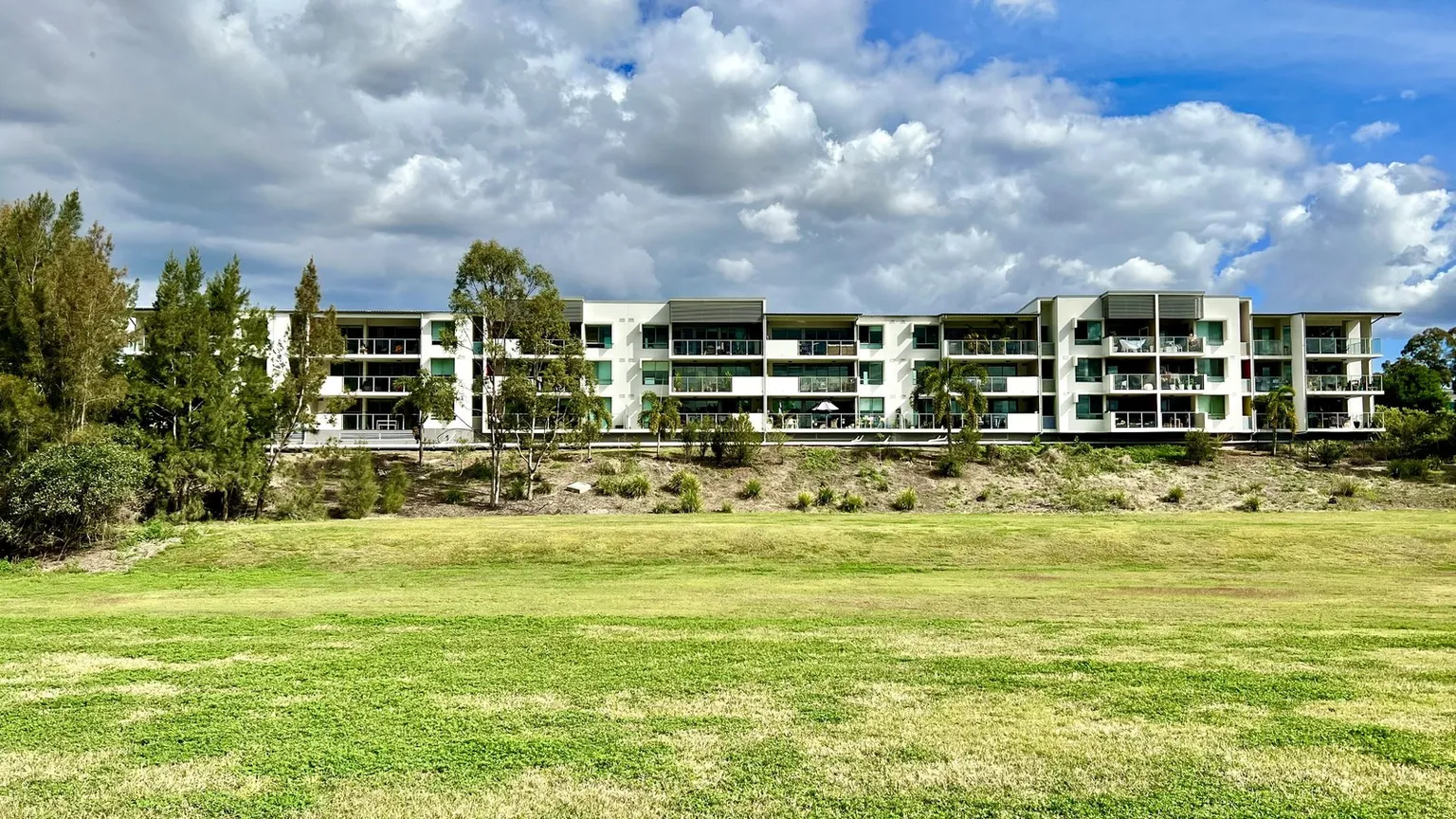
Photo: Kgbo, CC BY-SA 4.0, via Wikimedia Commons.
Loading comments…