

The draft Wide Bay Burnett Regional Plan was gazetted on 31 July 2026. For the first time in the region, an infrastructure plan sits alongside the land-use strategy, linking housing growth with transport, water, energy, digital and community infrastructure.
Why this matters to a developer
A growth designation can focus future attention, but delivery depends on trunk infrastructure, local planning controls, sequencing and market depth. The profitable question is not “is it in a growth area?” It is “when can this site become serviced, approved and saleable?”
Five checks before paying a growth premium
- Confirm the current zoning and whether a local amendment is required.
- Identify water, sewer, road and stormwater upgrades—and who pays.
- Check flooding, coastal hazard, bushfire and ecological constraints.
- Test the likely product against local household incomes and recent sales.
- Model staged delivery so capital is not trapped in premature land.
Regional demand needs a local test
Population forecasts do not guarantee absorption for every estate or apartment project. Study competing approvals, lot releases, build times, incentives and days on market in the exact catchment.
The infrastructure timing trap
A line on a long-term plan is not a construction commitment. Obtain written evidence about capacity, charges and sequencing. If a project needs an unfunded upgrade, include both cost and delay in the downside case.
TPC deal lens
Regional development rewards timing and product discipline. Prefer land with a clear current pathway, verifiable services and an exit matched to local buyers. Strategic alignment is valuable only when the feasibility can carry the journey.
Sources and image attribution
- Queensland Planning — Draft Wide Bay Burnett Regional Plan and Infrastructure Plan 2026
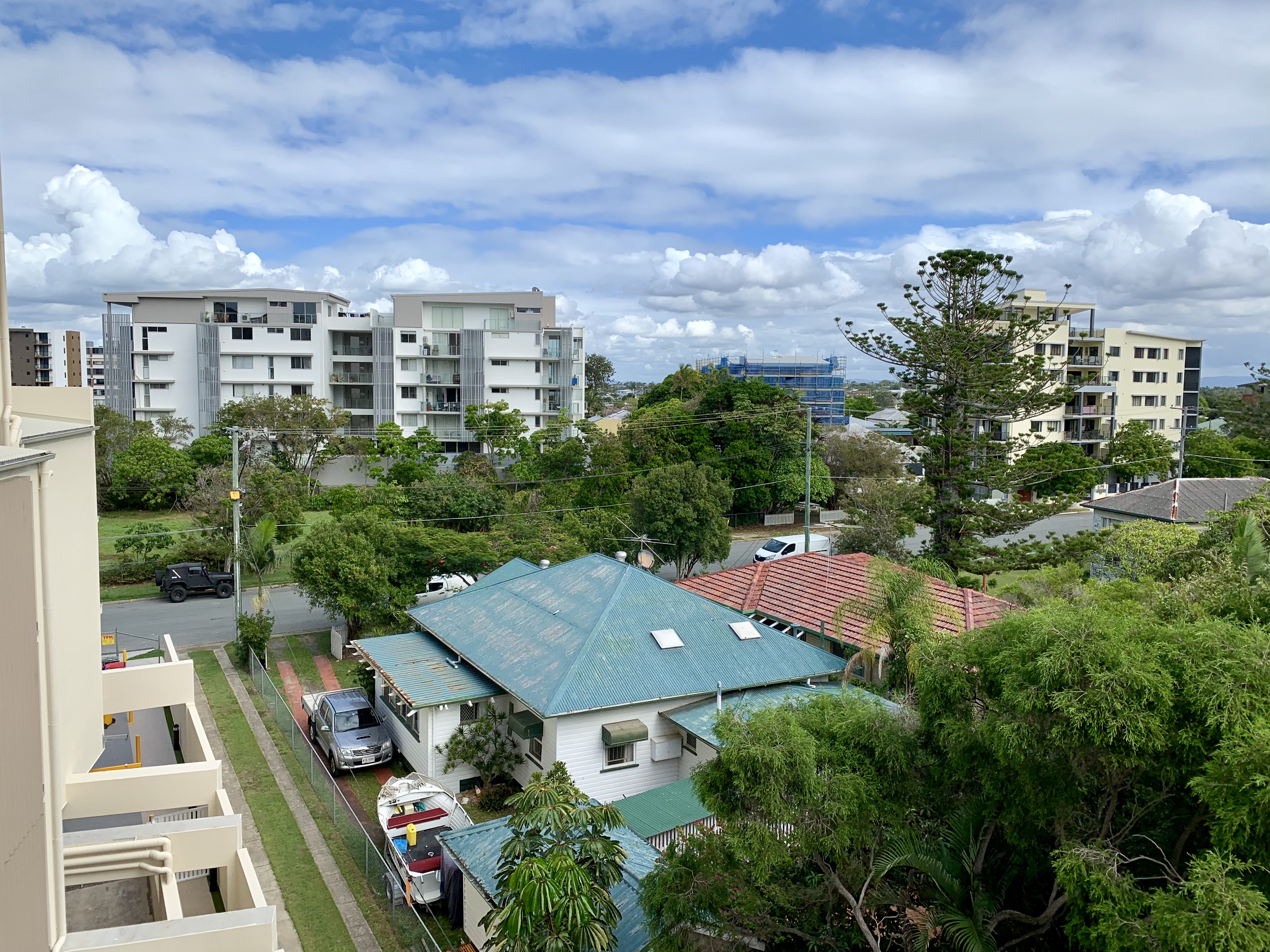
- Feature photo: Kgbo, Wikimedia Commons, CC BY-SA 4.0. Cropped for presentation; licence retained.
This article is general property education, not financial, legal, planning or building advice. Verify the current rules and obtain qualified advice for the specific site.
Watch The Free Training
Watch the free Think Property Club training and learn how everyday Australians are using the wholesale property system to find, assess and structure high-profit property opportunities.
Watch the free masterclass →Frequently asked questions
What should investors know about Why this matters to a developer?
A growth designation can focus future attention, but delivery depends on trunk infrastructure, local planning controls, sequencing and market depth. The profitable question is not “is it in a growth area?” It is “when can this site become serviced, approved and saleable?”
What should investors know about Five checks before paying a growth premium Confirm the current zoning and whether a local amendment is required. Identify water, sewer, road and stormwater upgrades—and who pays. Check flooding, coastal hazard, bushfire and ecological constraints. Test the likely product against local household incomes and recent sales. Model staged delivery so capital is not trapped in premature land. Regional demand needs a local test?
Population forecasts do not guarantee absorption for every estate or apartment project. Study competing approvals, lot releases, build times, incentives and days on market in the exact catchment.
What should investors know about The infrastructure timing trap?
A line on a long-term plan is not a construction commitment. Obtain written evidence about capacity, charges and sequencing. If a project needs an unfunded upgrade, include both cost and delay in the downside case.
What should investors know about TPC deal lens?
Regional development rewards timing and product discipline. Prefer land with a clear current pathway, verifiable services and an exit matched to local buyers. Strategic alignment is valuable only when the feasibility can carry the journey.
Should investors get professional advice about Wide Bay Burnett’s New Growth Map: Where Developers Should Look Beyond The Boundary Line?
Yes. This article is general education, so legal, tax, finance, planning or building questions should be checked with appropriately qualified professionals before acting.
Rate this article
How useful did you find this article? 1 is poor and 5 is great.
Join the conversation
Your email address will not be published.
Loading comments…