
A feasibility can show an attractive profit and still be dangerously fragile. The difference often sits in the assumptions: optimistic build costs, perfect timing, full selling prices and no allowance for the problems that emerge between purchase and completion.
Contingency is the part of the budget designed to absorb uncertainty. It is not spare profit and it is not a substitute for accurate quoting. It is a deliberate allowance for costs that are possible but not fully defined when the feasibility is prepared.
Why development budgets move
Property development contains several layers of uncertainty. Even a straightforward project may encounter:
- incomplete design information at the buying stage
- latent site conditions, rock, fill or drainage work
- authority requirements and consultant changes
- material and labour price movements
- approval, finance or construction delays
- design changes needed to satisfy compliance or market demand
The earlier the project, the less information you usually have. That means a concept-stage feasibility normally carries more uncertainty than a budget supported by coordinated drawings, investigations and current trade pricing.
There is no universal contingency percentage
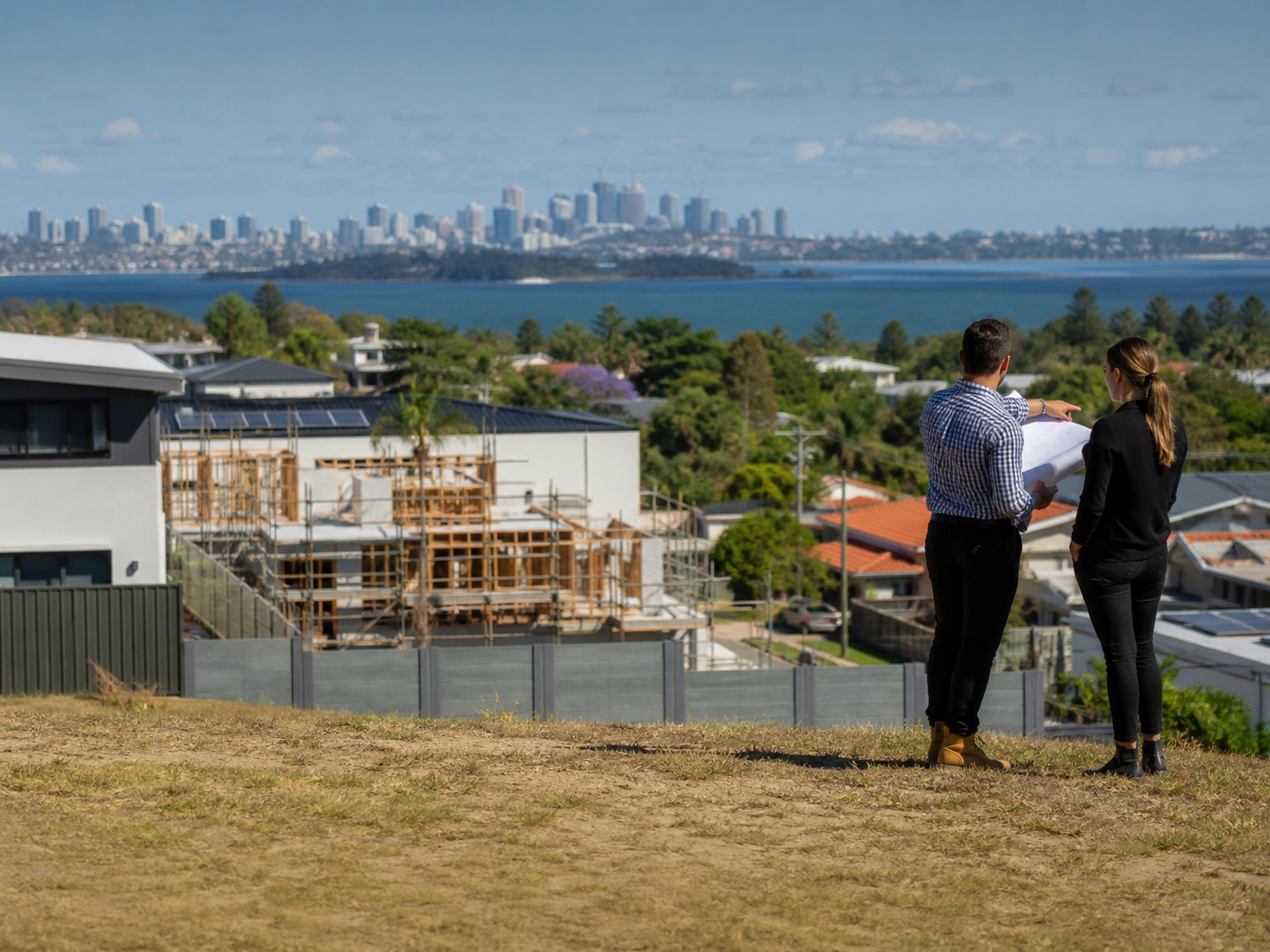
A single percentage cannot suit every project. A clean, well-investigated site with detailed documentation has a different risk profile from a sloping block with an old structure, uncertain services and an approval pathway that has not been tested.
Set the allowance after considering the project stage, site complexity, design maturity, procurement method and quality of the evidence behind each cost. Ask a quantity surveyor, builder and relevant consultants to challenge the assumptions rather than selecting a number because it makes the profit look acceptable.
If a deal only works when contingency is reduced below a professionally supported level, the problem is probably the deal—not the contingency.
Separate known costs from uncertainty
Do not hide missing line items inside one large contingency amount. First build the most complete base budget you can, including acquisition, consultants, approvals, construction, services, finance, holding costs, selling costs and tax advice.
Then separate uncertainty into useful categories:
- design contingency for unresolved scope and documentation
- construction contingency for unforeseen delivery costs
- time contingency for extended holding and finance periods
- revenue downside tested through lower prices or slower sales
This makes the feasibility easier to review. It also stops one allowance from being silently consumed by costs that should have been budgeted from the start.
Stress-test the deal, not just the spreadsheet
A useful feasibility should answer more than “What is the expected profit?” Run downside scenarios that test what happens when:
- construction costs increase
- approval or construction takes longer
- interest and holding costs rise
- end values soften or sales take longer
- two or more of those events happen together
Look at the cash required, the lowest point in the funding cycle and the remaining margin under each scenario. A project that remains manageable after a realistic combination of shocks is more robust than one with a larger headline profit but no room for error.
Keep contingency visible throughout delivery
Once the project begins, track approved commitments, forecast final costs and remaining contingency separately. Every variation should show why it occurred, who approved it and what it does to the total outcome.
Reforecast when design, approval, funding or market assumptions change. Waiting until the bank balance reveals the problem is not project control.
The bottom line
Good contingency does not make a weak deal safe. It makes uncertainty visible and helps you decide whether the potential return justifies the capital, time and delivery risk.
Build the base budget carefully, obtain current professional input, test multiple downside cases and preserve the contingency for genuine uncertainty. If the project cannot survive that discipline, find out before you buy.
This article provides general educational information only and does not constitute financial, legal, tax, building or investment advice. Obtain advice relevant to your site, structure and circumstances before committing to a project.
Watch The Free Training
Watch the free Think Property Club training and learn how everyday Australians are using the wholesale property system to find, assess and structure high-profit property opportunities.
Watch the free masterclass →Frequently asked questions
What should investors know about Why development budgets move?
Property development contains several layers of uncertainty. Even a straightforward project may encounter:
What should investors know about There is no universal contingency percentage?
A single percentage cannot suit every project. A clean, well-investigated site with detailed documentation has a different risk profile from a sloping block with an old structure, uncertain services and an approval pathway that has not been tested.
What should investors know about Separate known costs from uncertainty?
Do not hide missing line items inside one large contingency amount. First build the most complete base budget you can, including acquisition, consultants, approvals, construction, services, finance, holding costs, selling costs and tax advice.
What should investors know about Stress-test the deal, not just the spreadsheet?
A useful feasibility should answer more than “What is the expected profit?” Run downside scenarios that test what happens when:
What should investors know about Keep contingency visible throughout delivery?
Once the project begins, track approved commitments, forecast final costs and remaining contingency separately. Every variation should show why it occurred, who approved it and what it does to the total outcome.
Rate this article
How useful did you find this article? 1 is poor and 5 is great.
Join the conversation
Your email address will not be published.
Loading comments…