Parking Pitfalls: How to Avoid Neighbor Conflicts in Your Property Development Journey
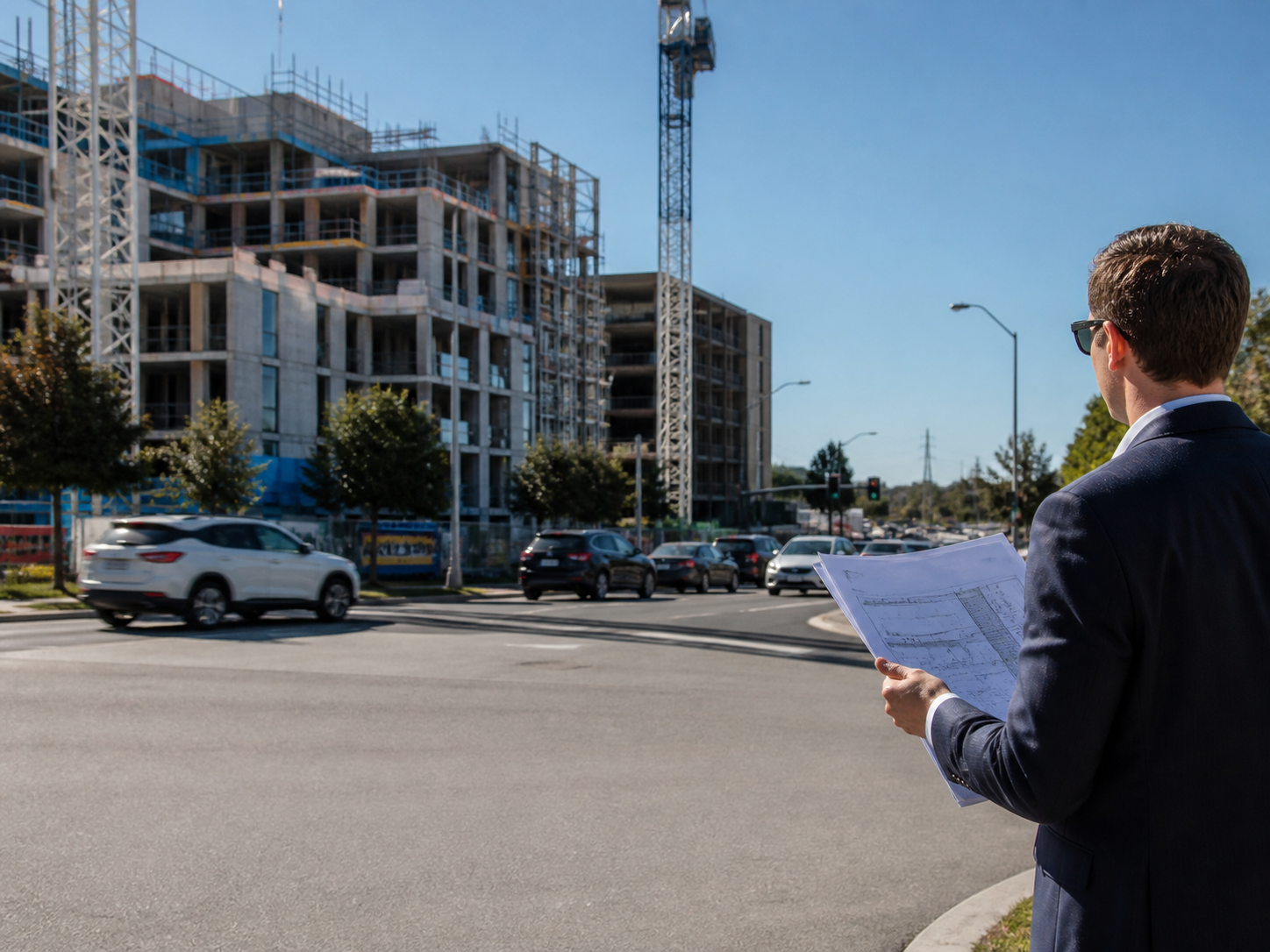
Learn the single parking mistake most likely to spark neighbor rage and how to avoid it in your property development journey. Discover practical solutions for seamless community integration and conflict prevention.
Parking Pitfalls: How to Avoid Neighbor Conflicts in Your Property Development Journey
What this means for Australian property investors
As property developers, understanding the nuances of community dynamics is crucial to your success. The recent report highlighting the single parking act most likely to spark neighbor rage underscores a critical yet often overlooked aspect of development planning. In our systematic approach to property development, we emphasize community integration as a core component of the 12 Stages framework. Ignoring this element can lead to unnecessary delays, legal complications, and damaged relationships that impact your project's success and reputation.
Due-diligence checklist
Before finalizing any development plan, conduct thorough due diligence on parking arrangements. Here's a practical checklist to ensure you avoid common pitfalls:
- Verify local council parking bylaws and restrictions
- Conduct a neighborhood survey to understand existing parking patterns
- Secure written agreements with neighboring property owners regarding parking arrangements
- Consult with a local property lawyer to ensure compliance with strata or community regulations
- Plan for future parking needs as your development may expand
Risks and limitations
Ignoring parking considerations can lead to significant risks. Neighbor disputes can escalate quickly, potentially resulting in legal action, project delays, and increased costs. In some cases, these conflicts can damage your reputation within the community, making future developments more challenging. It's important to recognize that while parking is a practical consideration, it's also a strategic opportunity to build positive relationships that support your long-term development goals.
Practical solutions for seamless integration
Our community of developers has found that proactive communication and strategic planning are key to avoiding parking conflicts. Here are some practical approaches that align with our systematic development process:
- Host a community meeting before finalizing your plan to discuss parking arrangements
- Consider implementing a shared parking agreement with neighboring properties
- Designate specific parking areas that comply with local regulations
- Use technology to manage parking access (e.g., digital permits for visitors)
- Build relationships with neighbors before, during, and after development
Community-focused approach to development
At Think Property Club, we believe that successful development isn't just about the physical structures—it's about creating thriving communities. Our Property Developer Success Blueprint includes a dedicated module on community engagement, teaching developers how to navigate relationships with neighbors and stakeholders effectively. This approach is a key differentiator in our systematic development process, helping our students avoid common pitfalls while building long-term relationships that support future projects.
Why this matters for your development journey
Understanding the importance of parking arrangements is just one example of how attention to detail can make a significant difference in your development success. By incorporating community integration into your planning process from the beginning, you're not just avoiding conflicts—you're building a foundation for sustainable growth and community support. This aligns perfectly with our core value of teaching a systematic approach to property development that generates high profits without requiring large personal capital.
Remember, the Property Developer Success Blueprint is designed to guide you through every stage of development, including community integration and relationship management. Our community of developers shares these insights and strategies to help you navigate the complexities of property development with confidence.
General educational information only; seek independent legal, financial, tax and planning advice. Date: 20 Aug 2026
Sources
Frequently asked questions
What is the most common parking mistake that causes neighbor disputes?
The most common parking mistake is parking in a neighbor's designated space without permission, which can lead to immediate conflict and strained community relations.
How can property developers avoid parking-related neighbor conflicts?
Developers should always secure written agreements with neighbors regarding parking arrangements, conduct thorough due diligence on local parking regulations, and proactively communicate with the community.
Why is parking a critical consideration in property development?
Parking is a critical consideration because it directly impacts community harmony, property value, and the success of development projects. Poor parking management can lead to legal disputes and project delays.
What legal considerations should be taken into account when planning parking for developments?
Developers should consult local council regulations, ensure compliance with parking bylaws, and obtain necessary permissions before implementing any parking arrangements.
How does the Property Developer Success Blueprint address parking and community integration?
The Property Developer Success Blueprint includes a dedicated module on community integration, covering best practices for navigating parking disputes and building positive neighbor relationships as part of the 12 Stages framework.
Rate this article
How useful did you find this article? 1 is poor and 5 is great.
Join the conversation
Your email address will not be published.
Loading comments…